Cabbage Is Having a Moment—Here’s How to Cook It So It’s Craveable

If cabbage still reminds you of bland, overcooked side dishes, it’s time to give it a second chance. This humble, budget-friendly vegetable is incredibly versatile—shining in stir-fries, hearty casseroles, and simple side dishes. These tips and recipes will help you learn to love cabbage!
Email Me the Recipe!
From time to time, we'll send you Well Plated emails. You can unsubscribe anytime. Have an account? Log In.
This is how to cook cabbage you’ll actually WANT to eat.

If you’ve suffered through watery boiled cabbage as a side or pushed a pile of limp coleslaw around your plate to make it look like you ate at least some of it, I totally feel your pain.
Like Brussels sprouts, cabbage is one of those vegetables where things can easily go sideways—or they can go delicious.
You just have to know how to cook it.
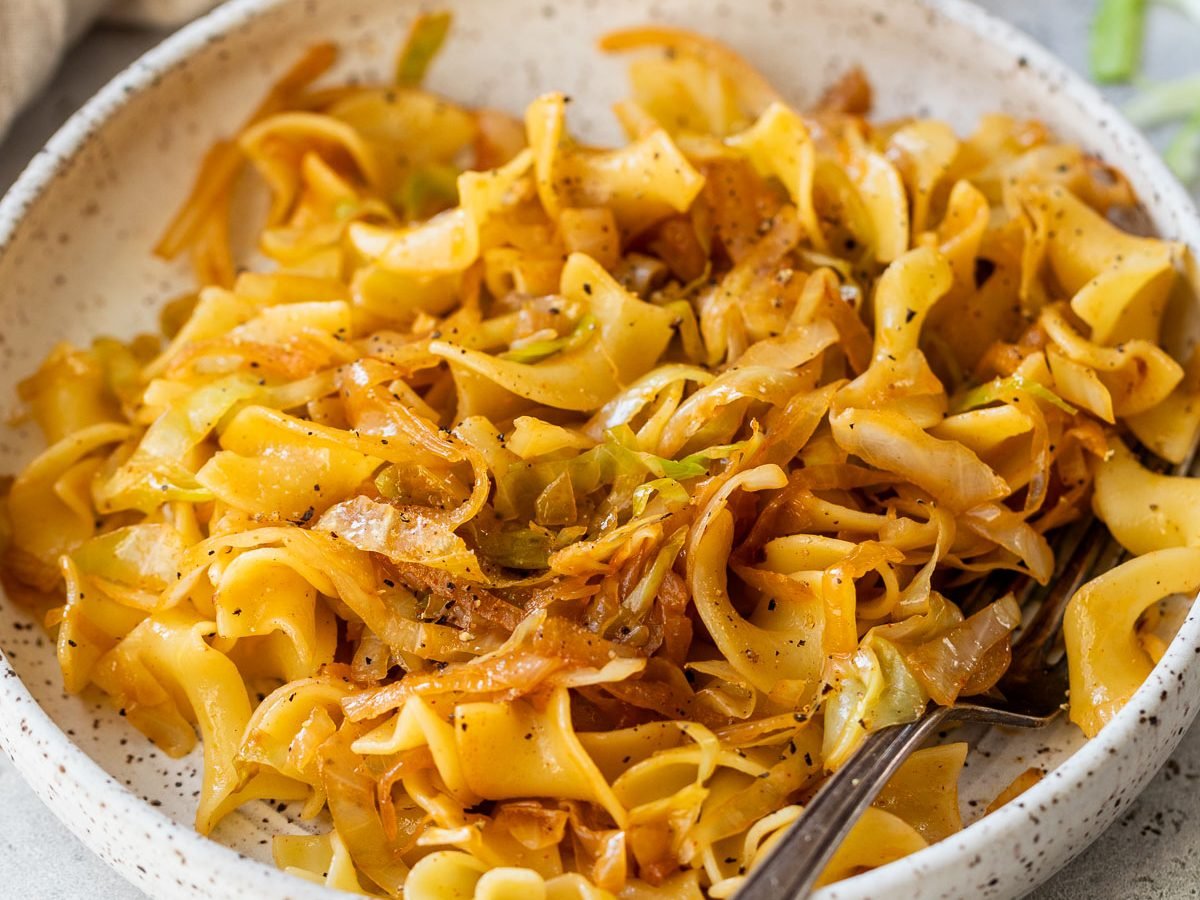
Whether you’re looking for something comforting, quick, or packed with bold flavor, these cabbage recipes prove just how craveable it can be. From hearty cabbage and noodles to Asian-inspired stir fries and caramelized roasted wedges, there’s something here for everyone. Promise!

Understanding the Types of Cabbage (and How to Use Them)
The first key to making cabbage delicious is to know what kind of cabbage to use for which types of recipes.
- Green Cabbage. The most common variety, green cabbage has tightly packed leaves and a mild flavor. It’s perfect for stir-fries, soups (hello, Cabbage Soup!), slaws, and everyday sautéed or roasted dishes.
- Red Cabbage. Red cabbage has a slightly peppery flavor and vibrant color. It’s great raw in salads and slaws, or cooked in braises where it turns beautifully tender. It’s generally not used in soups, as it will turn the broth purple.
- Savoy Cabbage. Savoy cabbage has crinkly, tender leaves and a milder flavor. It’s ideal for cabbage rolls, quick sautés, and recipes where you want a softer texture.
- Napa Cabbage. Long and pale green with delicate leaves, napa cabbage is commonly used in Asian recipes. It’s perfect for stir-fries, soups, salads, and dishes like Egg Roll in a Bowl.
Storing Cabbage
Not many vegetables last as long as cabbage! Here’s how to make sure it stays fresh.
- Store whole cabbage in the crisper drawer of your refrigerator.
- Keep it unwashed and wrapped loosely in plastic or in a produce bag.
- A whole head of cabbage can last 2–4 weeks when stored properly.
- Once cut, wrap the remaining cabbage tightly and use it within 3–5 days for the best texture.

Prepping Cabbage: The Basics
Although the recipes below will have instructions for how to prep cabbage, here’s a quick rundown:
- Remove any wilted or damaged outer leaves.
- Rinse the head under cool water and pat dry.
- Cut the cabbage into quarters through the core.
- Slice out the tough core from each wedge.
- Slice, shred, or chop the cabbage as your recipe directs.
7 Simple Ways to Cook Cabbage




More Recipe Collections

Round Up
Crockpot Soup Recipes

Round Up
Easy Ground Beef Dinner Ideas

Round Up
Healthy Vegetarian Dinner Ideas
from Well Plated by Erin https://ift.tt/uVxtpfD
Comments
Post a Comment