You Can Be a Seafood Master, Too!

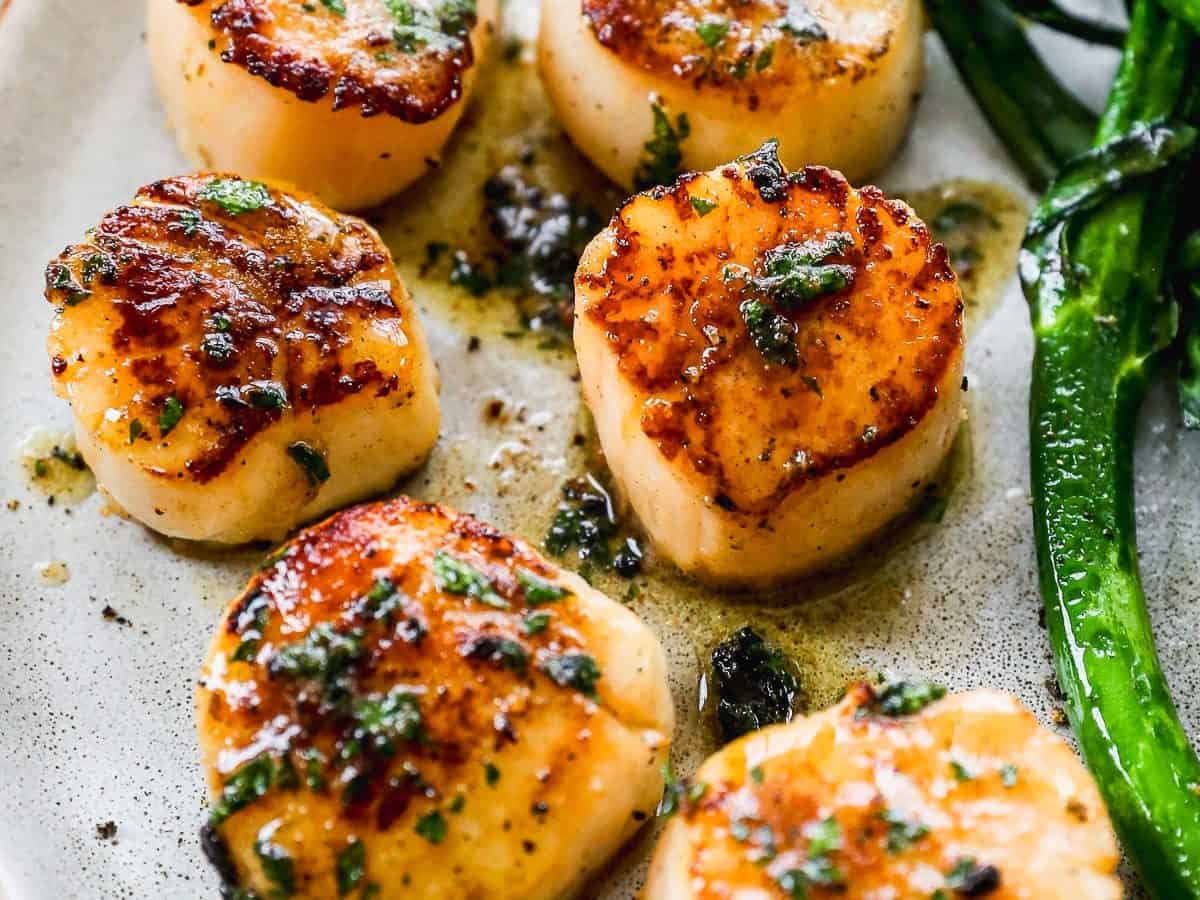
Do you think seafood is best left to restaurants? Are you a pro when it comes to chicken and steak, but the thought of cooking scallops fills you with trepidation? It’s time to overcome that fear! Once you understand a few basics, you too can become a seafood master.
It’s time to start adding seafood to your meal rotation!

If there’s one thing I wish more home cooks knew, it’s that seafood is easier to cook than chicken. Yes, for real.
Most fish cooks in under 15 minutes. Shrimp can be done in 5. Scallops take even less time than that. What’s not to love?!
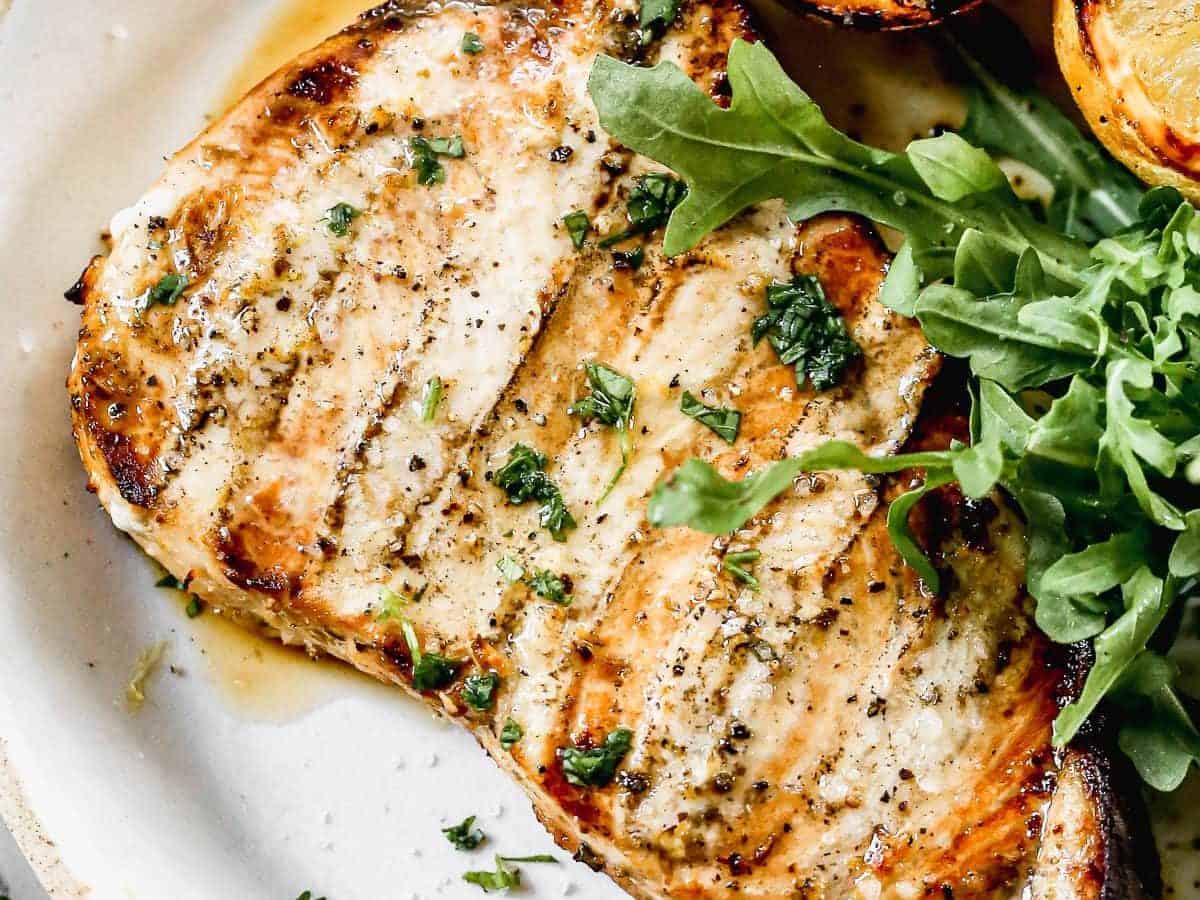
Although I don’t have the budget for scallops and swordfish on the daily, I love adding seafood to our menu at least once a week. Not only is it quick and easy, it also makes dinner feel a little fancy.
How to Buy Seafood
One of the biggest misconceptions about seafood is that fresh is better than frozen.
If you live on the coast, this is true. But for a Midwesterner like me, well, it’s a little more complicated than that.
Much of the seafood sold at grocery store fish counters was previously frozen and thawed before display. In many cases, buying high-quality frozen seafood can actually give you a fresher product because it was frozen shortly after it was caught.
A few things I look for:
- Fish Should Smell Clean. Fresh seafood should smell like the ocean, not like fish. A strong fish odor is often a sign that the seafood is past its prime.
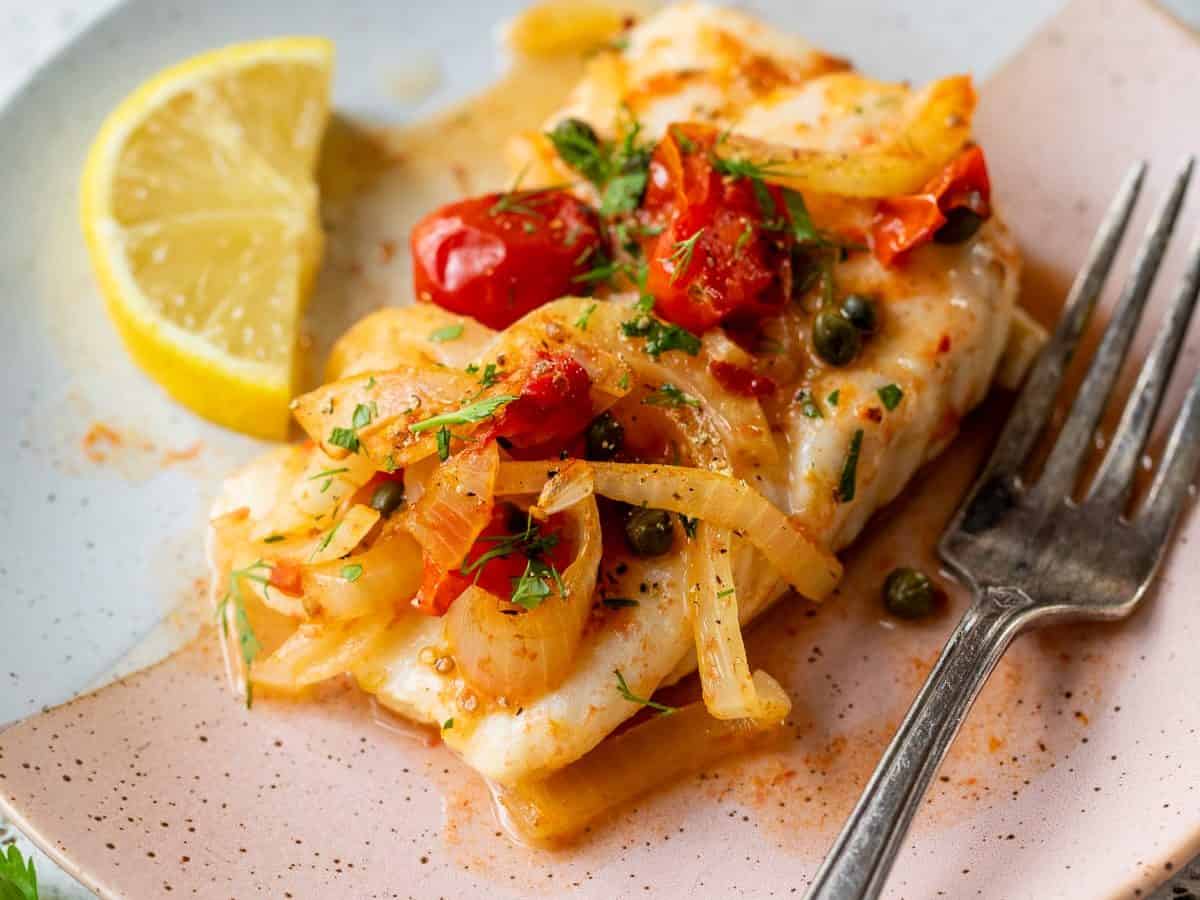
- Don’t Fear Frozen. I keep frozen shrimp, salmon, and cod in my freezer. They’re convenient, budget-friendly, and often excellent quality.
- Ask Questions. Like: when did this arrive? Was it previously frozen? Fishmongers also love to give cooking recommendations, so don’t be afraid to strike up a conversation!
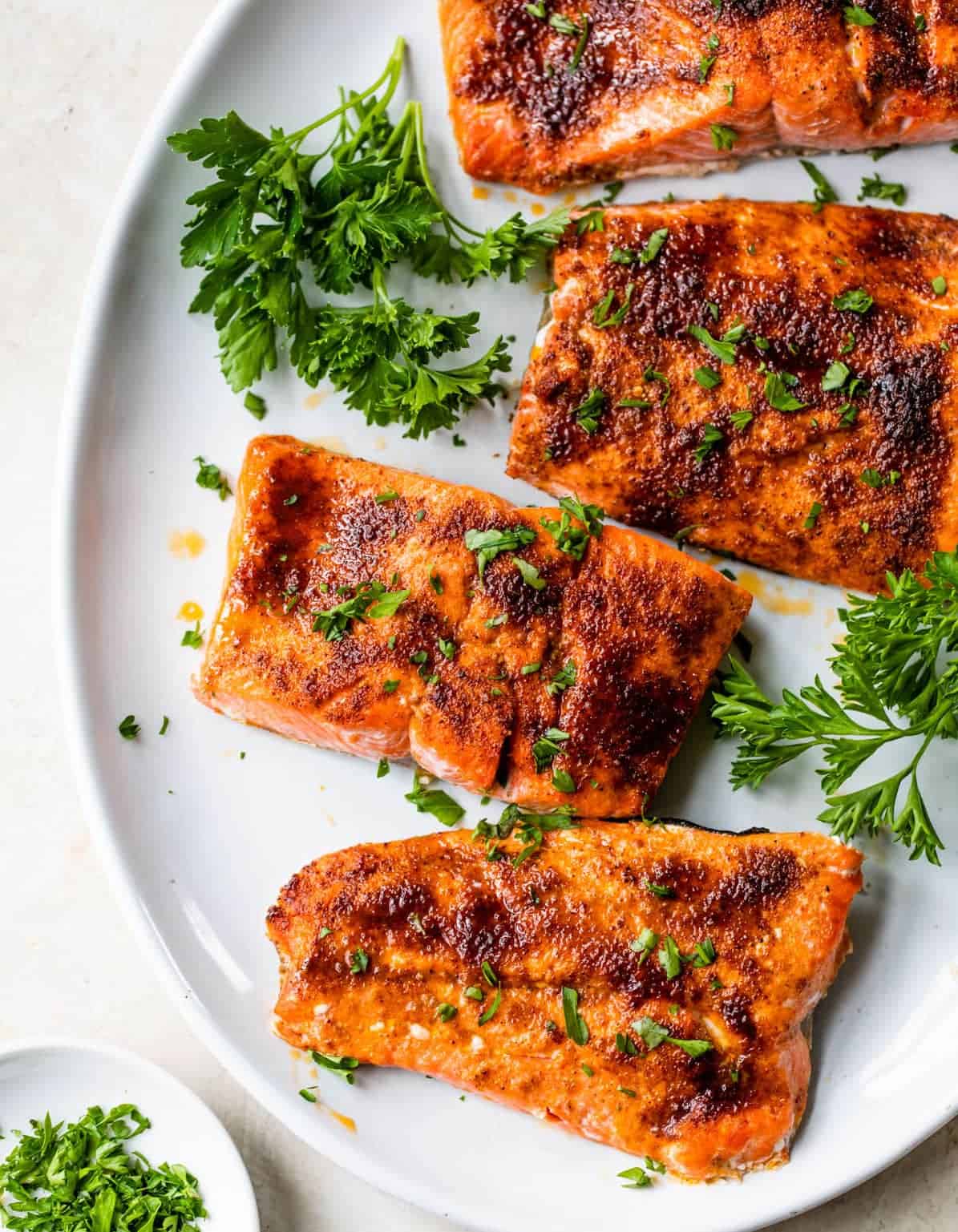
How to Store Seafood
Seafood is highly perishable, so unless you’re buying it frozen, you should always have a plan for it.
- Use It Quickly. For most fresh seafood, I try to cook it within 1 to 2 days of purchase.
- Keep It Cold. Store seafood in the coldest part of the refrigerator. If I know I won’t use it immediately, I freeze it.
General Tips for Cooking Seafood
These are the lessons I wish I’d learned sooner.
- Pat It Dry Before Cooking. Moisture is the enemy of good browning. Whether you’re cooking salmon, scallops, or shrimp, drying the surface helps develop better color and texture.
- A Thermometer Helps. For fish like salmon and cod, an instant-read thermometer removes the guesswork.
- Most Seafood Cooks Faster Than You Think. This is especially true for shrimp and scallops. The difference between perfectly cooked and overcooked can be a just a minute or two.
- Pull It Early. Residual heat continues cooking seafood after it leaves the heat source. I often remove fish a few degrees before its final target temperature.
Seafood Recipes and Guides
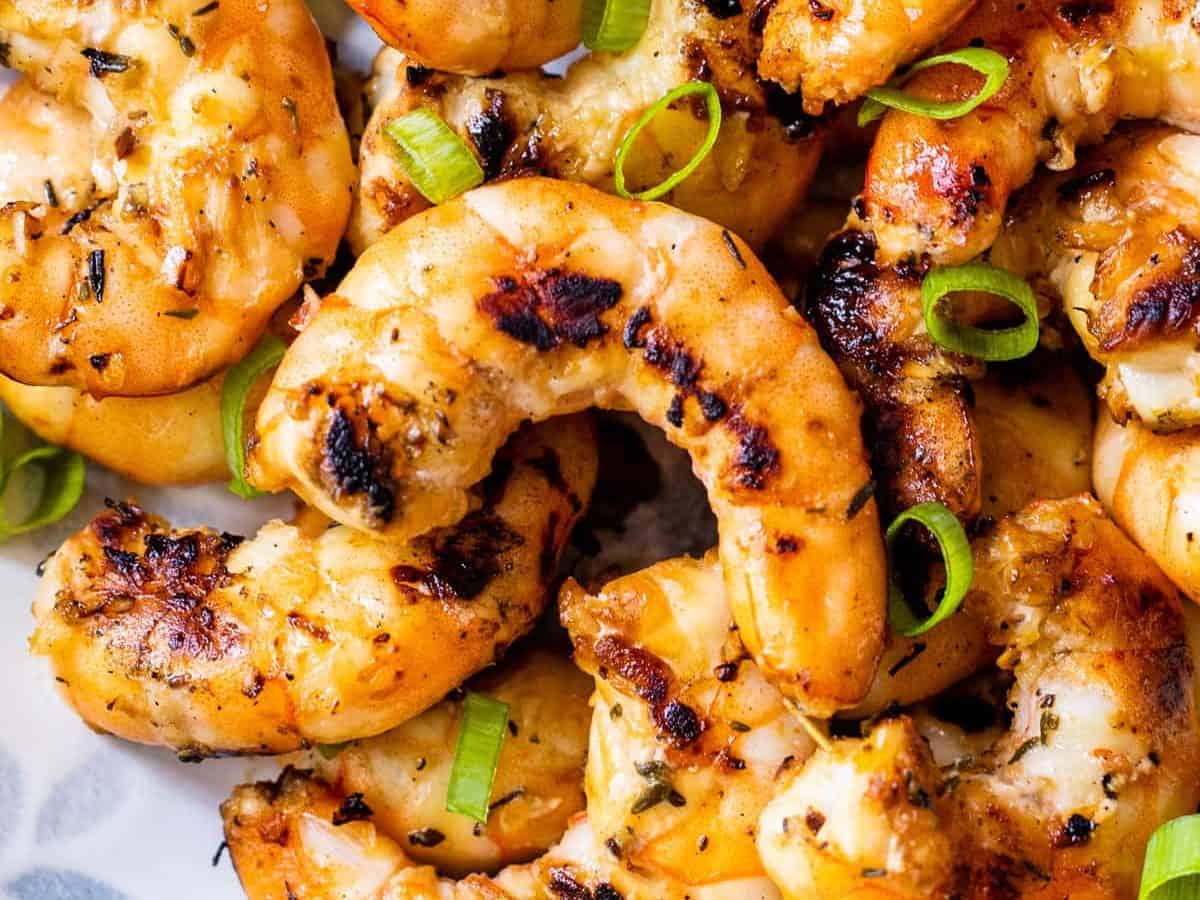
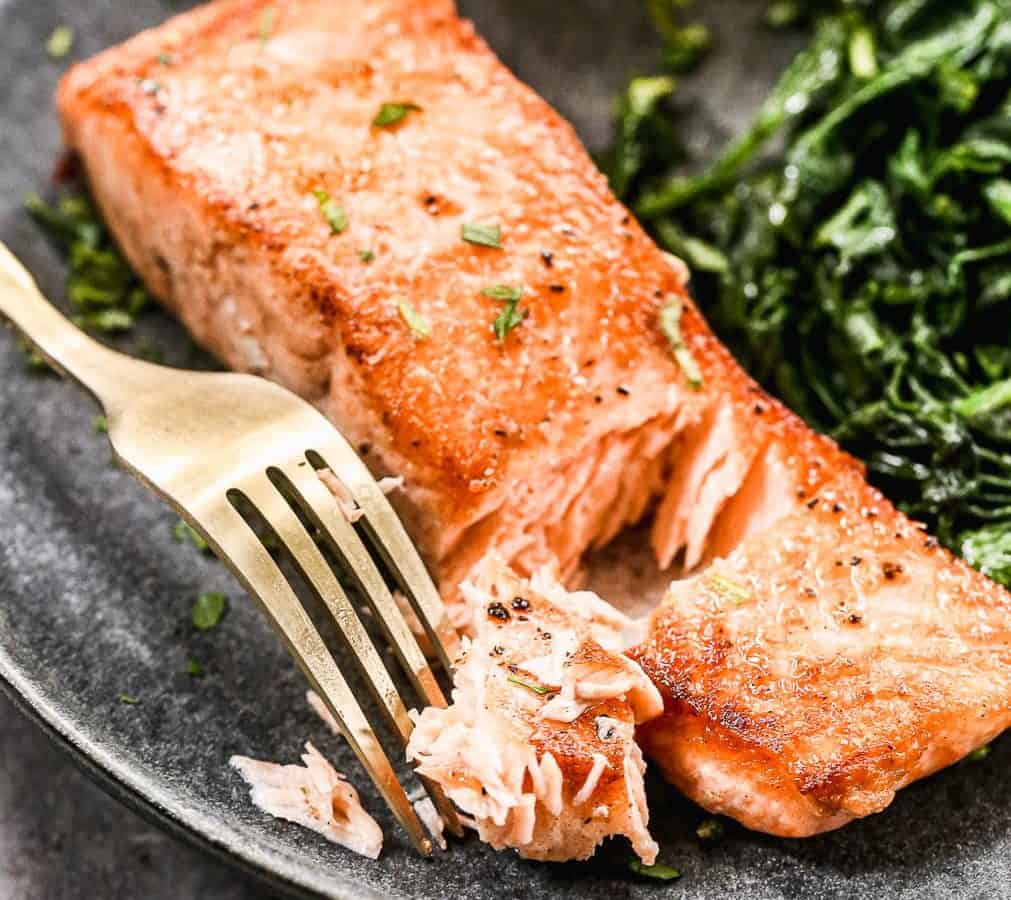
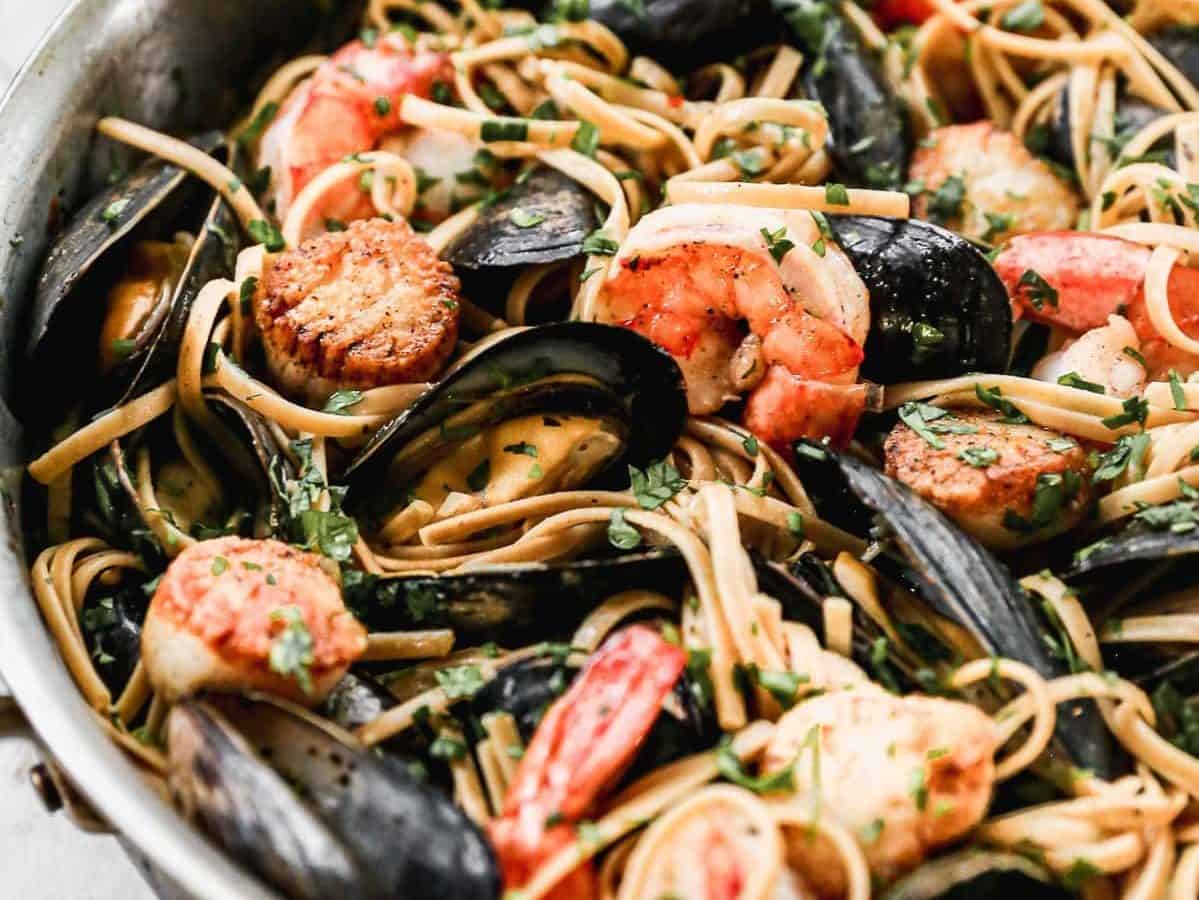
Related Recipes

from Well Plated by Erin Clarke https://ift.tt/YazGQDR
Comments
Post a Comment